
Northern Smiles Dentistry Crowns & Bridges
Dental Crowns & Bridges in North Phoenix, AZ
On this page
Dental Crown Specialists
At Northern Smiles Dentistry our team are dental crown specialists prepared to improve your smile in only a few appointments!
Quick Recovery Times
Trips to the dentist aren't always our favorite. We do our best to be as precise and gentle as possible to reduce your recovery time!
Flexible Scheduling
Crowns and bridges usually take a couple of visits to complete. We schedule them around your calendar and keep you comfortable with a temporary restoration in between.
Smile Wider & Brighter
Why Choose Northern Smiles Dentistry For Your Crowns & Bridges?
A solid smile is something every person should be proud of. However, tooth decay and other dental issues can ruin even the most beautiful smiles. If you have a tooth with a large cavity or that has started to rot, you may need a dental crown. These caps are strong and durable and may last for years. At Northern Smiles Dentistry, we offer comprehensive dental services in one location to help get your smile back on track, including dental crowns and bridges.

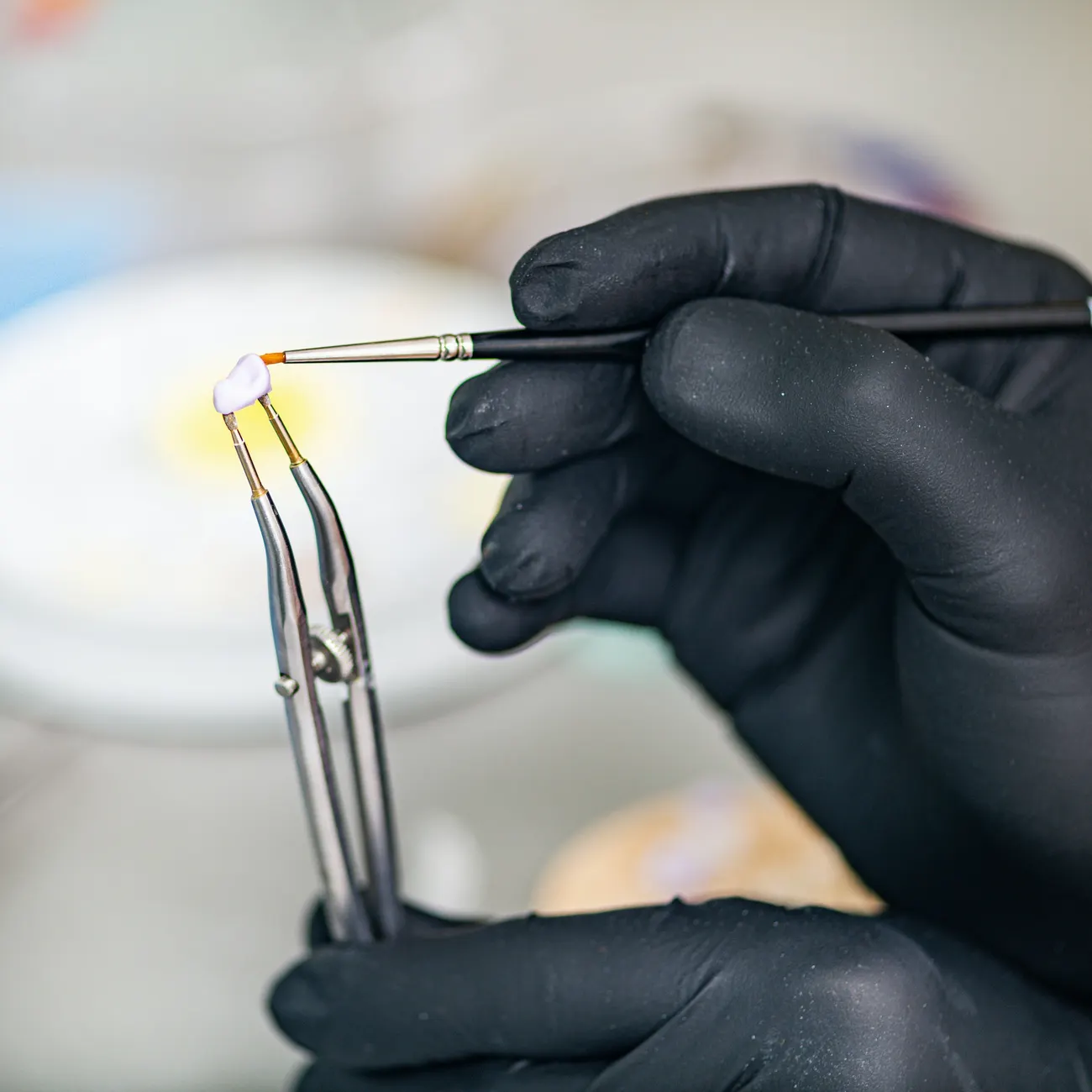
Blend of Art & Science
What Are Dental Crowns?
A crown completely covers a tooth above the gum line. This is in contrast to a dental veneer, which only covers a tooth’s front surface and needs a natural tooth structure to support it. Therefore, if a tooth is missing a significant amount of structure above the gum line, a crown would be the restoration of choice.
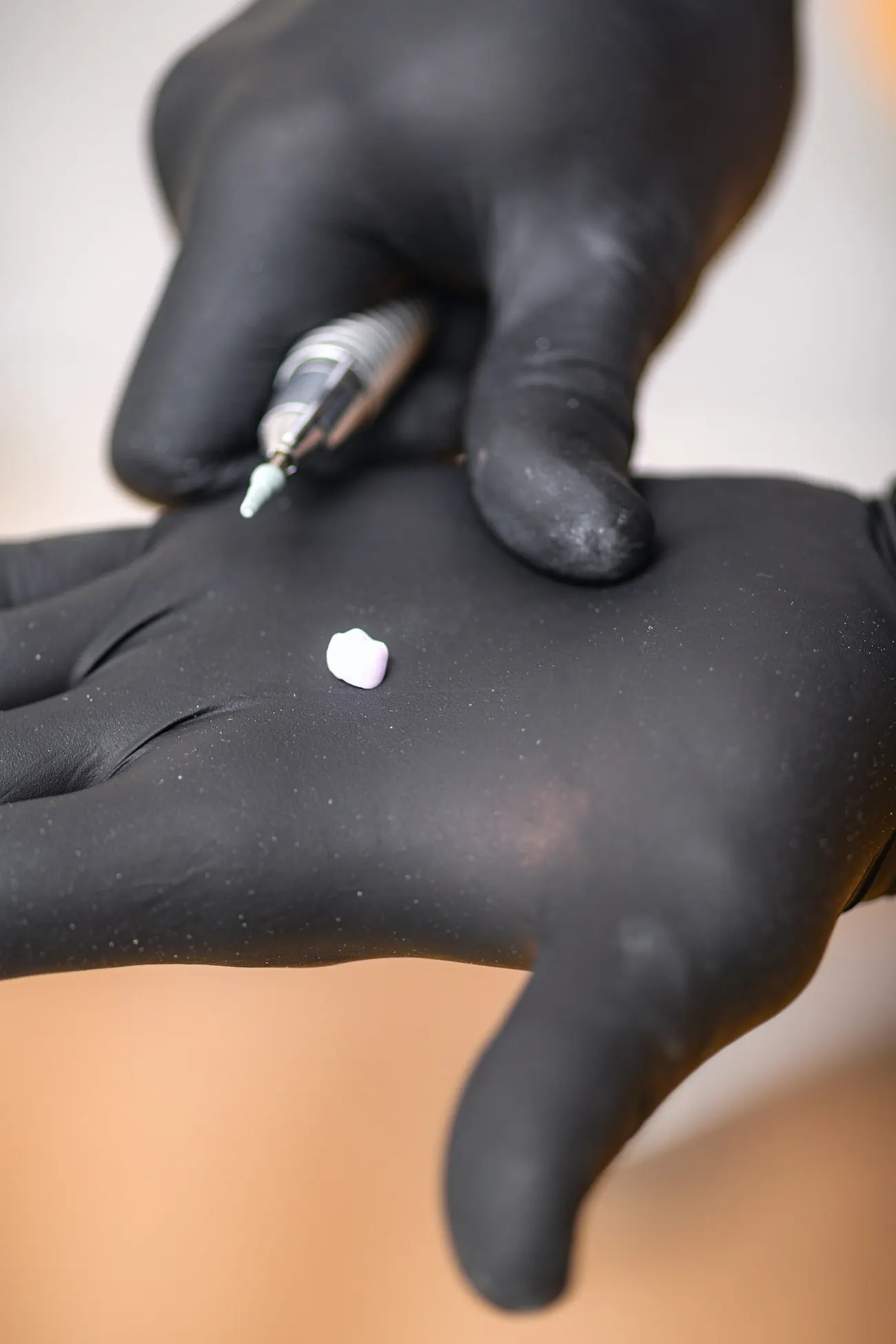
Strengthen Damaged Teeth
Benefits Of Dental Crowns
Crowns strengthen damaged teeth, allowing them to function normally again. When crafted from today’s high-tech porcelains (dental ceramics), crowns are virtually indistinguishable from natural teeth. They can even be designed to improve upon a tooth’s original appearance.
There are other materials besides porcelain that we can use to make dental crowns, depending on what qualities are most important. For durability, cast gold can’t be beaten. However, this is not always the most aesthetic choice — especially towards the front of the mouth. Other possibilities include porcelain-fused-to-metal crowns (PFM), which have a metal interior for strength and a porcelain exterior for a more natural appearance, and all-porcelain crowns with zirconia, representing the strongest ceramic. We would be happy to discuss the pros and cons of these various options with you.
Crowning or Capping a Tooth
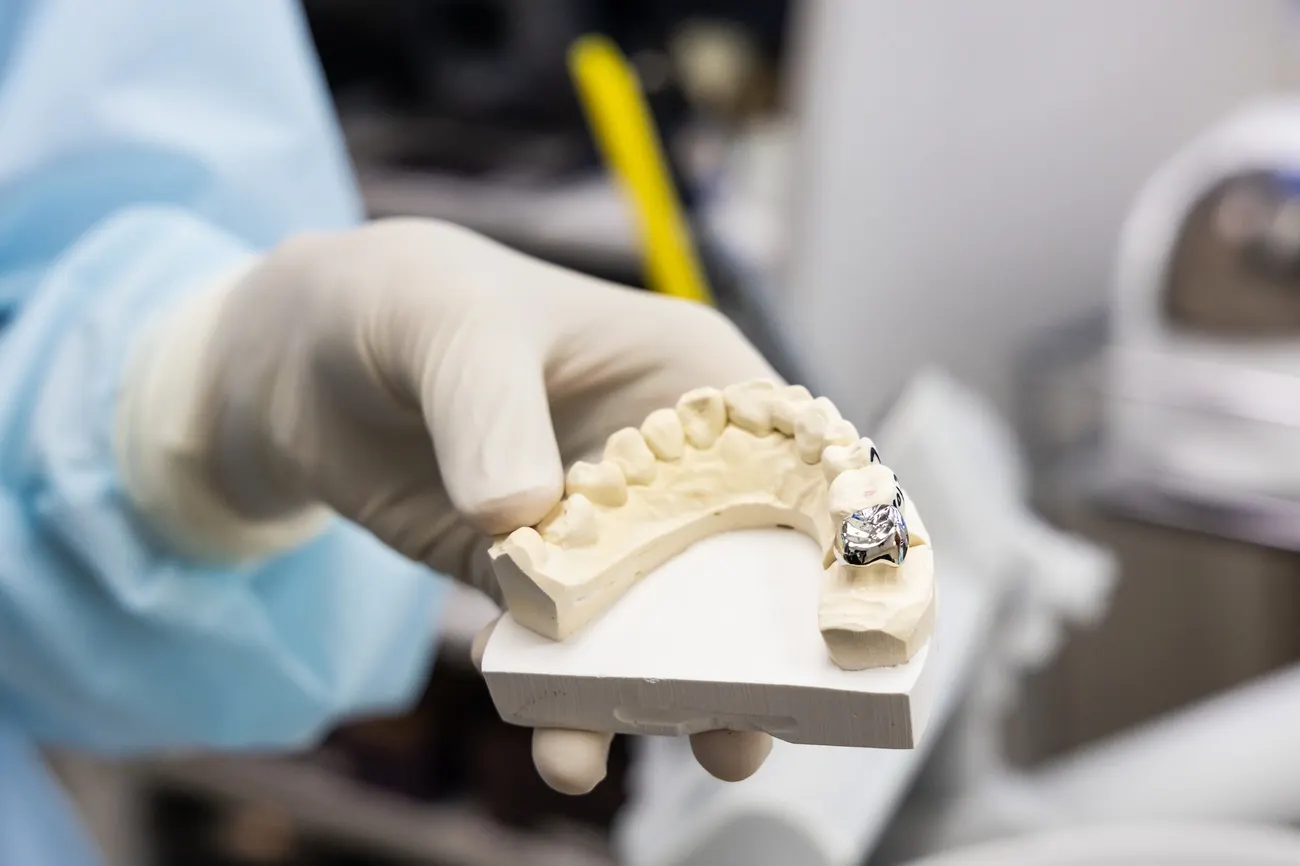
Crowning or capping a tooth will usually take two to three visits. At the first visit, your tooth is prepared to receive its new crown. First, it is shaped to fit inside the new covering. This will involve some drilling to give the tooth a uniform shape. The tooth and the surrounding area will be numbed beforehand. If there is very little tooth structure left to begin with, the tooth may have to be built up with filling material, rather than filed down, to support the crown.
After the tooth is prepared
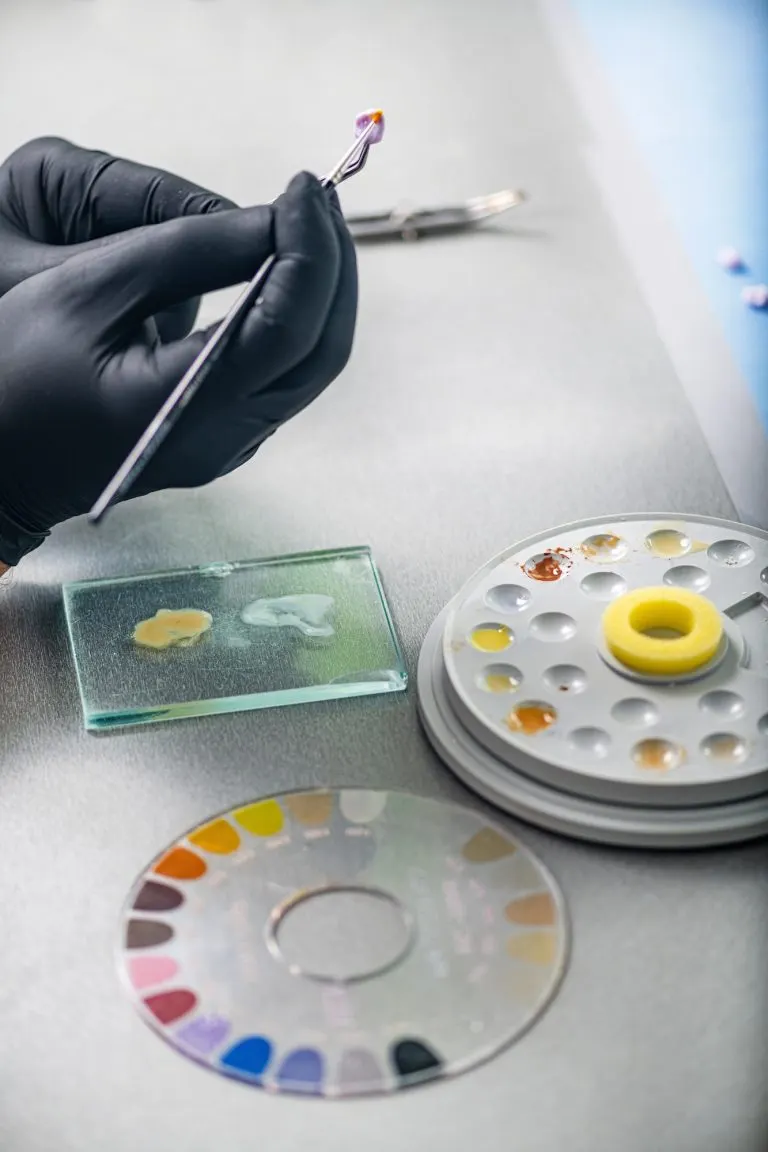
After the tooth is prepared, impressions of your teeth are taken, either digitally or with reliable, putty-like impression materials, and sent to the dental laboratory. There, the impressions will be used to make models of your teeth for the creation of a crown. The models will serve as guides to the highly skilled lab technicians, who will ensure that your new crown is designed to enhance your smile and function well within your bite.
Before you leave the office
Before you leave the office, a temporary crown will be attached to your tooth to protect it until the permanent crown is ready. At the second visit, your permanent crown will be attached to your tooth with either a resin that hardens when exposed to a special light source, or a type of permanent cement.
Lifelike Replacements
Creating a Bridge
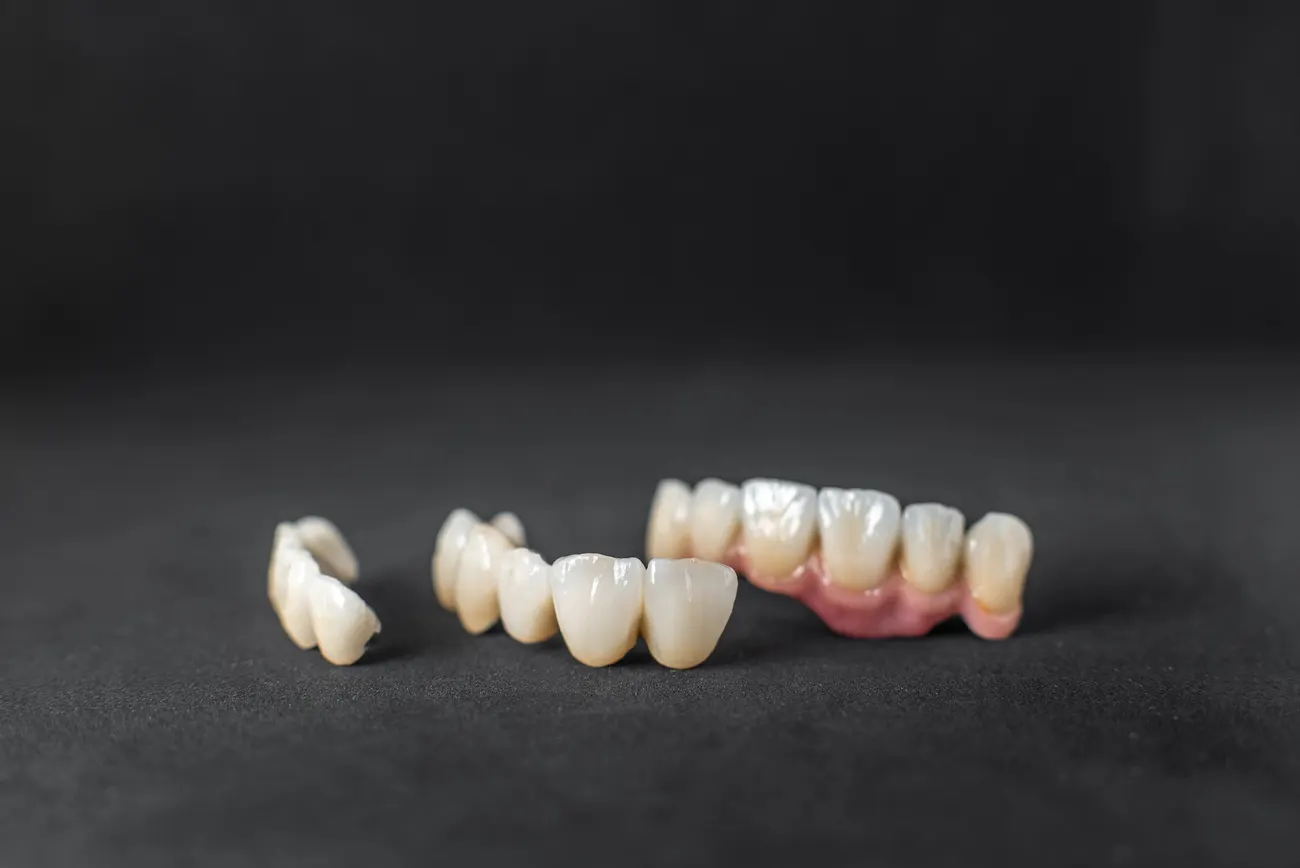
Crowns can also be used to create a lifelike replacement for a missing tooth. This is done with bridgework, which spans the space of the missing tooth and requires at least three crowns. Two of those crowns will be placed over healthy teeth on either side of the missing tooth; these healthy teeth are referred to as abutment teeth. The two crowned abutment teeth become supports for a third crown placed in between them; that third crown is referred to as a pontic. If more than one tooth is missing, more crowns will be needed to bridge the gap in between the abutment teeth.
How many abutment teeth does a bridge need?
The number of abutment teeth necessary to replace missing teeth is influenced by the number of missing teeth, the size and length of the abutment tooth roots, the amount of bone support each abutment tooth has, as well as where in the mouth the missing tooth is located. For example, if you have three missing teeth, four abutment teeth may be necessary, thereby creating a seven-tooth bridge. Engineering and designing of the bridge requires an understanding of how to replace teeth, as well as the biology of the supporting gum and bone tissue.

Brush and Floss
Caring for Your Crowns & Bridgework
Crowns and bridgework require the same conscientious care as your natural teeth. Be sure to brush and floss between all of your teeth — restored and natural — every day to reduce the buildup of dental plaque. When you have crowns, it is even more important to maintain your regular schedule of cleanings at the dental office. Avoid using your teeth as tools (to open packages, for example). If you have a grinding habit, wearing a nightguard would be a good idea to protect your teeth and your investment.
What are dental crowns made of?
The material is chosen for what matters most in that particular tooth — how much force it takes, how visible it is, and how long you need it to last.
| Material | Typical lifespan | Strength | Appearance |
|---|---|---|---|
| Cast gold | 20+ years | For durability, cast gold cannot be beaten | Metallic — normally used where strength matters more than looks |
| Zirconia | 15 – 25 years | The strongest dental ceramic | Virtually indistinguishable from a natural tooth |
| Porcelain-fused-to-metal (PFM) | 10 – 20 years | A metal interior for strength | A porcelain exterior for a natural appearance |
| All-porcelain / composite resin | 10 – 15 years | Strong enough for most positions, and strengthens the tooth it covers | Natural-looking |
Treat those as planning figures rather than guarantees. Real-world crown survival is less tidy than a single number suggests — a systematic review of single-crown survival found the published evidence base itself is limited and hard to compare across crown types. What actually decides how long yours lasts is the tooth it sits on, how hard you grind, and how well the margin is kept clean.
Modern dental ceramics are good enough that an all-porcelain crown on a front tooth is usually invisible. We will tell you which material suits the tooth in question rather than defaulting to one. If a crown has come off or a tooth has broken, that is an emergency dental appointment.
Crown and bridge visits in North Phoenix
A crown usually takes two visits — preparation and a temporary, then the permanent fit — with a couple of weeks in between. Our office is on 16th Street between Glendale and Northern Avenues, so patients from Sunnyslope, North Mountain and the Glendale Avenue corridor are not making a long trip twice. More on our North Phoenix dental office.
Frequently Asked Questions
How long does a dental crown last? +
It depends mostly on the material and the tooth. All-porcelain and composite crowns typically last 10 to 15 years, porcelain-fused-to-metal 10 to 20, zirconia 15 to 25, and cast gold can pass 20 years. Those are planning figures, not guarantees — published survival data on crowns is more limited than the confident numbers online suggest. Grinding, the position of the tooth, and how well the gum margin is kept clean matter more than the material alone.
What's the difference between a crown and a bridge? +
A crown is a cap that covers and protects a single damaged or weakened tooth. A bridge replaces one or more missing teeth by anchoring replacement teeth to the crowns on either side of the gap.
How long do crowns and bridges last? +
With good oral hygiene and regular checkups, crowns and bridges commonly last 10 to 15 years or more. Avoiding chewing ice and other hard objects helps them last.
Does getting a crown hurt? +
The tooth is numbed during the procedure, so you shouldn't feel pain. Some mild sensitivity afterward is normal and usually settles within a few days.
How many appointments does a crown take? +
Traditionally it takes two visits — one to prepare the tooth and fit a temporary crown, and one to place the permanent crown. We'll let you know what to expect for your case.
How do I care for a crown or bridge? +
Brush and floss normally, and clean carefully around and under a bridge as we show you. Regular checkups let us make sure your restoration stays in great shape.
Related reading
Answers to the questions patients ask us most about this treatment.
How much does a root canal cost in Phoenix?
Discover the average cost of a root canal in Phoenix. Find out factors affecting pricing and options for affordable root canal expenses in your area.
Read articleStraight from the Heart: A Smile Makeover with Orthodontics
Get a smile makeover with orthodontics at Northern Smiles Dentistry in Phoenix. Improve your oral health and book your appointment now!
Read articleOther services
More ways our Phoenix team can help.

Medically reviewed by
Dr. Troy Stansberry, D.D.S.
Dr. Troy Stansberry grew up in Phoenix, AZ and attended Creighton University for his bachelors, and Creighton School of Dentistry for his D.D.S. degree.
Meet Dr. StansberryBook Now
Request An Appointment
Feel free to contact us at Northern Smiles Dentistry with any questions or concerns
Opening Hours
- Monday 07:30 AM - 4:20 PM
- Tuesday 08:30 AM - 5:30 PM
- Wednesday 07:30 AM - 2:00 PM
- Thursday 07:30 AM - 3:20 PM
- Friday 07:00 AM - 2:00 PM
- Saturday - Sunday Closed