
Do clear aligners really work?
Northern Smiles Dentistry & Orthodontics
6 min readOctober 4, 2024
Reviewed by Dr. Troy Stansberry, D.D.S.
Ready to book your visit?
Our Phoenix team will help you plan treatment and answer your questions — we reply within 24 hours.
Request an appointment (602) 944-9197On this page
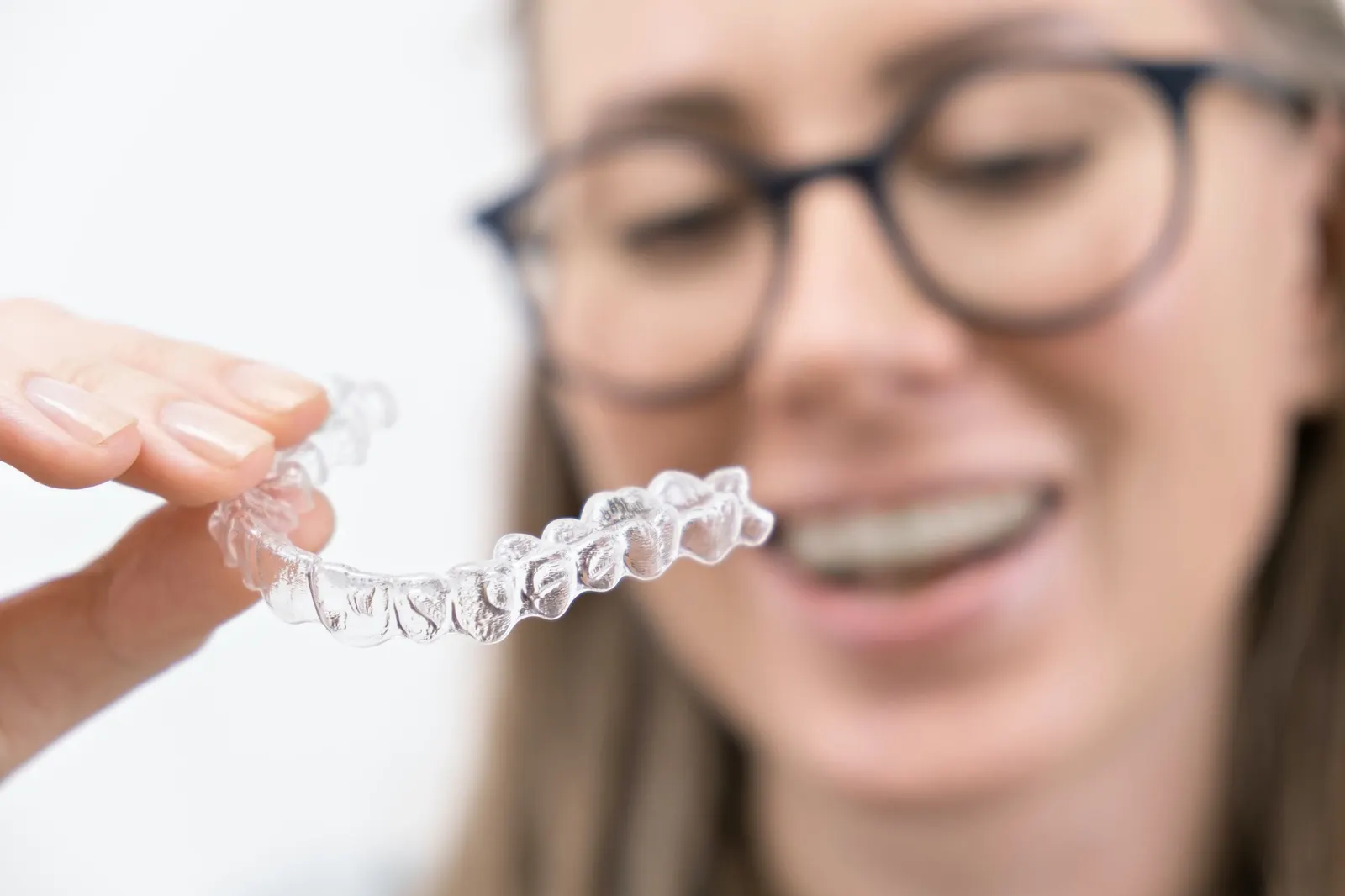
Ever thought about those clear aligners that promise a straight smile? Are they just a marketing trick, or do they really work? Despite doubts, these clear trays have become very popular. But do they live up to the hype compared to traditional braces?
This article will dive into how well clear aligners work. We’ll look at the science, benefits, and results to help you decide if they’re right for you. Let’s see how they stack up against traditional orthodontic treatments.
Introduction to Clear Aligners
Invisible aligners have changed orthodontics a lot. Since the late 1990s, brands like Invisalign have made big steps. They offer a clear, effective alternative to braces.
These clear devices are made to be hidden. They look almost invisible and can be taken out. This makes them very convenient for users.
Getting invisible aligners starts with a detailed dental check. Dentists use 3D scans to see the teeth’s shape. Then, they make custom aligners for each person’s needs.
Patients get a set of aligners to wear one after another. Each one moves the teeth a little bit closer to the right spot.
Clear aligners, like Invisalign, have made orthodontic treatment better. They are popular because they are effective and almost invisible. This shows how much people want clear, easy dental fixes.
How Clear Aligners Work
The aligner treatment process is a new way to straighten teeth without braces. It starts with a detailed evaluation. Dental experts use 3D computer imaging to create a model of your teeth.
This digital plan is the guide for making custom aligner trays. These trays will slowly move your teeth into the right positions.
The trays are made from safe, BPA-free plastic. They are designed to fit comfortably in your mouth. You’ll get a new set of trays every two weeks.
By wearing a new set of aligners, your teeth move a little bit at a time. This follows your unique treatment plan.
The aligners work because they are made just for you. Each tray applies the right pressure to move your teeth. You need to wear them for 20-22 hours a day.
During treatment, you’ll see your orthodontist regularly. These visits check if everything is going well. They also make any needed changes to your treatment.
In the end, aligners offer a discreet, comfy way to get a perfect smile. You don’t need traditional braces for this.
Comparing Clear Aligners with Traditional Braces
The debate on braces vs aligners is ongoing. Both options are effective for fixing teeth. Clear aligners are almost invisible, which is a big plus for those who care about looks. Traditional metal braces, on the other hand, are more noticeable.
Clear aligners are also more comfortable. They don’t rub against the cheeks and gums like metal braces do. Plus, you can take them out to brush your teeth and eat without any restrictions.
How long treatment takes is another key difference. Clear aligners might work faster for some people. But, metal braces are better for more serious problems.
Keeping clear aligners clean is easy because you can remove them. Metal braces need careful cleaning to prevent plaque from building up.
However, clear aligners might not work for everyone. They’re not good for big jaw problems. Metal braces can fix a wider range of issues.
In the end, choosing between clear aligners and metal braces depends on your needs. Think about how visible they are, how comfortable they are, how long treatment takes, and what dental issues you have. This will help you pick the best option for you.
Who is a Good Candidate for Clear Aligners?
Understanding who can use clear aligners is key. They are a popular choice for straightening teeth discreetly. But, there are certain requirements to ensure they work well. Here, we explain who is best suited for clear aligner therapy, focusing on the main prerequisites.
Clear aligners are best for those with mild to moderate dental issues. They are ideal for:
- Adults and teenagers older than 14, as younger patients may still have growing teeth.
- People with minor to moderate crowding or spacing issues.
- Individuals who have previously had orthodontic treatment but experienced some relapse.
- Patients committed to wearing their aligners for at least 20-22 hours a day.
However, clear aligners might not be the best choice for everyone. Traditional braces might be better for:
- Severe tooth misalignment or bite issues that require more intensive adjustment.
- Patients with complex dental conditions such as significant jaw discrepancies.
- Young children, as their development could affect treatment success.
Seeing an orthodontist is crucial to figure out what’s best for you. Clear aligners can greatly improve dental health and looks for many. They are a reliable option for teeth straightening in adults, provided the prerequisites are met.
Patient Experiences and Testimonials
Clear aligner treatment has changed many lives, as shown in countless patient stories. These stories highlight how effective and impactful clear aligners are. People from all walks of life have found them easy to use in their daily routines.
Patients talk about the clear aligner’s benefits, like better looks and health. Many have seen big changes in their teeth alignment in just a few months. They love how clear aligners are almost invisible, making it easy to keep up with treatment without anyone noticing.
- One young woman noted, “I was initially skeptical, but after seeing the real aligner results, I couldn’t be happier with my decision. The process has been incredibly smooth, and my teeth already look much better.”
- A professional athlete mentioned, “Clear aligners fit perfectly into my lifestyle. They are comfortable and easy to manage, even with my rigorous training schedule.”
But, some patients face challenges like getting used to the initial fit and wearing them consistently. Yet, most find the benefits far outweigh these issues, leading to high satisfaction.
These real-life stories offer a detailed look at what to expect with clear aligners. They help others understand the journey, from initial doubts to celebrating success. This ensures that those considering clear aligners are well-prepared and motivated by the positive experiences shared.
The Cost of Clear Aligners
When thinking about orthodontic treatment, money matters a lot. Clear aligners are popular because they’re not obvious and work well. But how much do they cost? Knowing the cost is key to making a good choice.
The price of clear aligners changes based on a few things. These include how bad your teeth are, the brand, and where you live. On average, you might pay between $3,000 and $7,000 for them.
Compared to traditional braces, clear aligners might seem like a better deal. Braces can cost between $2,000 and $8,000. But, it’s important to look at the whole picture. This includes how long treatment lasts and any extra costs.
Dental offices know that orthodontic treatments can be expensive. They offer payment plans to help. These plans let you pay over time, making treatment more affordable. It’s important to talk to your dentist about these options to find one that works for you.
Dental insurance can also affect the cost of clear aligners. Many plans cover part of the cost. Before starting treatment, check with your insurance to see how much they’ll cover. This will help you know what you’ll have to pay out of pocket.
In summary, clear aligners might seem pricey at first. But, with payment plans and insurance help, they’re worth considering. Looking at all these factors will help you choose the best option for your teeth and wallet.
Conclusion
Clear aligners, like Invisalign, are a good choice for many people instead of traditional braces. They work well when used right, with help from dental experts. This shows how important it is to make informed dental decisions that fit your needs.
Many patients like clear aligners because they are comfortable and easy to use. The cost can vary, but many find it worth it for the results. This shows how clear aligners are becoming more accepted and effective in orthodontics.
The future of orthodontics looks bright for clear aligners. New technologies will make them even better. Keeping up with these changes is key for those thinking about clear aligners for their teeth.
This article is for general educational purposes and is not a substitute for professional dental advice. Please see our Medical Disclaimer.
Related services
Care from our Phoenix team that connects to this topic.
Testimonial
What Our Patients Say
I have been Troy's patient for some years now and by far he's been the best dentist in my life. Everyone at Northern Smile Dentistry and Orthodontics are knowledgeable and excited to help you with any questions or concerns you might have. if you are searching for the perfect dentist, you need to call Troy and his team! NOW!

"Been twice and can't express enough how pleasant, professional and pleased I am. I just told my I am looking forward to my next visit. How great is that?"

"We have been so happy with Northern Smiles! Our family has been going here for almost 10 years. They have given us great care & always so respectful. Never have made any of our 3 kids uncomfortable. Always open to questions and don't feel rushed. I recommend them all the time. THANK YOU Dr Stansberry!"


Medically reviewed by
Dr. Troy Stansberry, D.D.S.
Dr. Troy Stansberry grew up in Phoenix, AZ and attended Creighton University for his bachelors, and Creighton School of Dentistry for his D.D.S. degree.
Meet Dr. StansberryKeep reading
Dental· 6 min read
What is the average cost of clear correct aligners?
Discover the average cost of ClearCorrect aligners for a confident smile. Learn about pricing factors and get an estimate for your clear aligner budget.
Read articleOrthodontics· 4 min read
How much do clear aligners cost in Phoenix?
Wondering about Invisalign costs in Phoenix? Northern Smiles Dentistry offers clear aligners. Get transparent pricing for a straighter smile in 2025.
Read article
Dental· 14 min read
How much does Invisalign cost in Phoenix?
Wondering about Invisalign cost in Phoenix? Northern Smiles Dentistry offers affordable orthodontic solutions. Learn about pricing and payment options now!
Read articleReady to talk to a Phoenix dentist?
Book a visit with Northern Smiles Dentistry & Orthodontics — we'll get back to you within 24 hours.