
What is the best treatment to whiten teeth?
Northern Smiles Dentistry & Orthodontics
3 min readUpdated
Reviewed by Dr. Troy Stansberry, D.D.S.
Ready to book your visit?
Our Phoenix team will help you plan treatment and answer your questions — we reply within 24 hours.
Request an appointment (602) 944-9197On this page
Did you know that in-office teeth whitening can make teeth three to eight shades brighter? This can happen in just one visit.
There are many other options for whitening teeth. You can choose from professional treatments at the dentist to at-home methods. The search for a bright smile has never been easier or more varied.
However, with so many choices, it’s important to make informed decisions. So, what is the best teeth whitening treatment?
Key Takeaways
- In-office teeth whitening can make teeth three to eight shades brighter in under an hour.
- Professional treatments usually cost between $500 and $1,000.
- At-home options like strips and gels can lighten teeth by one to two shades over 10 to 14 days.
- Tray-based whitening systems typically range from $150 to $600 and are usually worn for several hours a day.
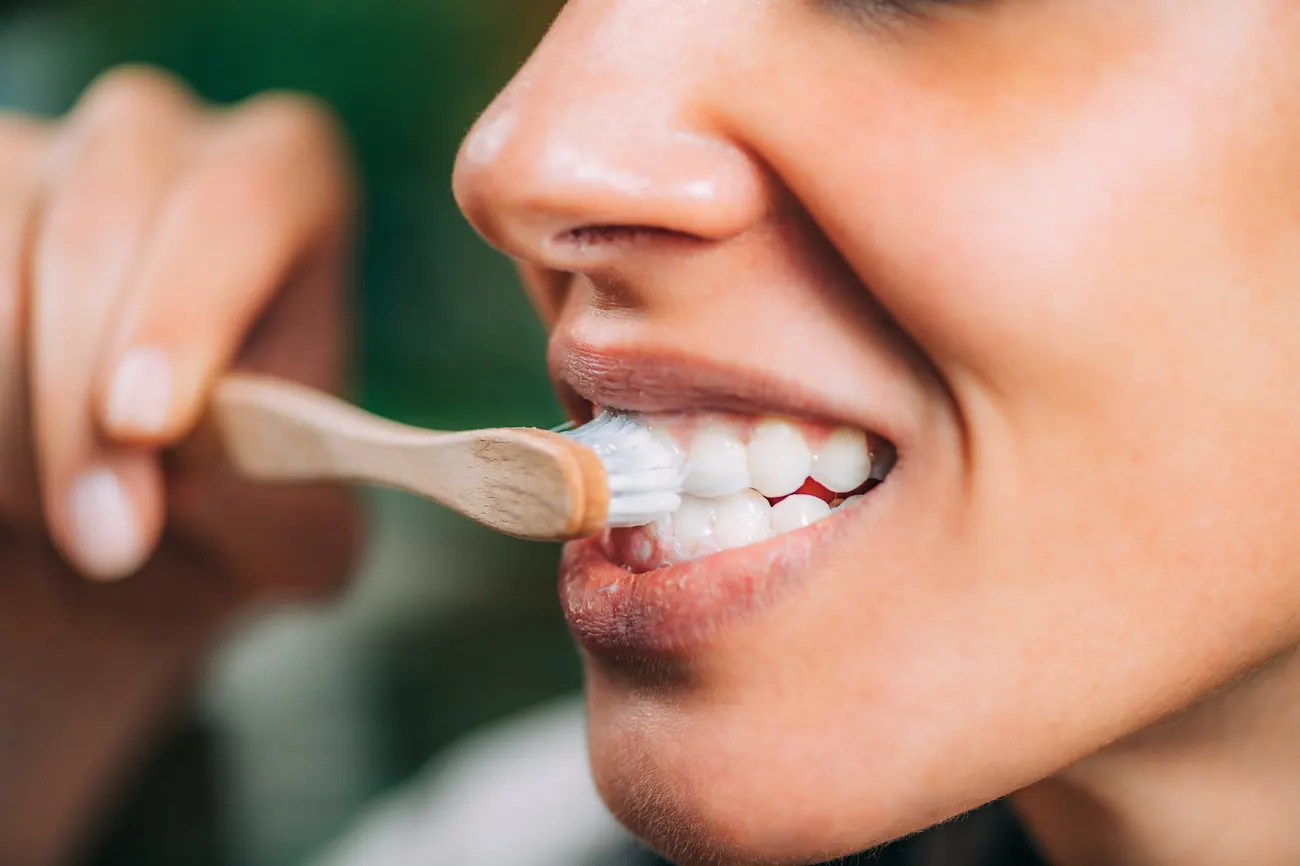
- Teeth-whitening toothpastes offer a mild effect, brightening teeth by about one shade.
Professional Teeth Whitening Options
Professional teeth whitening offers many choices for a brighter smile. In 2024, new technologies and methods make treatments more comfortable and effective. These advancements bring better results.
Laser teeth whitening is a top choice for its precision and speed. It can whiten teeth in just 60 to 90 minutes. Patients find it more comfortable than other methods.
LED-activated whitening systems are also popular. They are non-invasive and have fewer side effects. Custom-fit whitening trays, made with digital scans, are becoming more common. They ensure a safe and effective whitening process.
Natural and organic teeth whitening products are gaining fans. These options are appealing to those who care about the environment and their health. They offer safe and effective whitening without harsh chemicals.
- Professional teeth whitening treatments generally cost between $500 and $1,000.
- Insurance normally does not cover cosmetic dental treatments, including teeth whitening.
- Results from dental whitening treatments vary, lasting anywhere from a few months to several years.
Professional teeth whitening is more expensive but offers quick results. Dentists use stronger agents for faster whitening. Custom whitening kits from dentists are also more effective than store-bought ones.
While safe, teeth whitening can cause sensitivity and enamel weakening. But these effects are usually mild and temporary. With a dentist’s care, they can be reversed. Future advancements in teeth whitening may include nanotechnology and bio-materials for longer-lasting results.
At-Home Teeth Whitening Solutions
At-home teeth whitening is a popular choice for a brighter smile. In the US, 80% of adults want whiter teeth. This has led to a big market, with Americans spending over $1.4 billion on whitening products in 2016. These options are easy to use and affordable, making them popular.
Natural remedies like coconut oil pulling are also gaining attention. Studies show it can reduce bacteria in the mouth. Toothpastes with baking soda are also effective in reducing plaque and gum inflammation. However, some natural methods, like a strawberry and baking soda mixture, may not work as well as commercial products.
Commercial toothpastes with more hydrogen peroxide are better at whitening teeth over 12 weeks. New products, like those with carbamide peroxide, help achieve results. While some methods, like activated charcoal, are not proven, following instructions with over-the-counter products can get similar results to professional treatments.
By using at-home teeth whitening solutions, people can see big improvements in their smile. This meets the growing demand for easy and effective whitening options.
Conclusion
Getting a bright, white smile means knowing why teeth get discolored and picking the best whitening options. Stains from food, drinks like coffee, and smoking can be fixed with products you buy over the counter. Whitening strips and gels with peroxide work well for at-home use.
But, stains from age, trauma, or too much fluoride need stronger treatments. Professional whitening in a dentist’s office uses powerful agents for quick results. You might feel some sensitivity or gum irritation, but it’s worth it for long-lasting results.
For slow but steady whitening, try whitening toothpaste, baking soda, or oil pulling with coconut oil. Yet, these methods can’t beat professional treatments for deep stains. Keeping your teeth white means avoiding stain-causing foods and drinks and brushing regularly. Knowing how teeth whitening works helps you choose the best path to a brighter, more confident smile.
This article is for general educational purposes and is not a substitute for professional dental advice. Please see our Medical Disclaimer.
Related services
Care from our Phoenix team that connects to this topic.
Testimonial
What Our Patients Say
I have been Troy's patient for some years now and by far he's been the best dentist in my life. Everyone at Northern Smile Dentistry and Orthodontics are knowledgeable and excited to help you with any questions or concerns you might have. if you are searching for the perfect dentist, you need to call Troy and his team! NOW!

"Been twice and can't express enough how pleasant, professional and pleased I am. I just told my I am looking forward to my next visit. How great is that?"

"We have been so happy with Northern Smiles! Our family has been going here for almost 10 years. They have given us great care & always so respectful. Never have made any of our 3 kids uncomfortable. Always open to questions and don't feel rushed. I recommend them all the time. THANK YOU Dr Stansberry!"


Medically reviewed by
Dr. Troy Stansberry, D.D.S.
Dr. Troy Stansberry grew up in Phoenix, AZ and attended Creighton University for his bachelors, and Creighton School of Dentistry for his D.D.S. degree.
Meet Dr. StansberryKeep reading
Orthodontics· 4 min read
What Does a Normal Smile Look Like?
What a normal smile actually looks like, how much overbite is normal, and when an overbite is worth treating. A Phoenix orthodontic guide.
Read article
Orthodontics· 4 min read
Is dental deep cleaning really necessary?
Is deep cleaning necessary? Northern Smiles Dentistry in Phoenix offers insights on the procedure and its benefits for optimal oral health.
Read articleOrthodontics· 4 min read
How much do clear aligners cost in Phoenix?
Wondering about Invisalign costs in Phoenix? Northern Smiles Dentistry offers clear aligners. Get transparent pricing for a straighter smile in 2025.
Read articleReady to talk to a Phoenix dentist?
Book a visit with Northern Smiles Dentistry & Orthodontics — we'll get back to you within 24 hours.