
10 Tips for Maintaining Healthy Teeth and Gums
Northern Smiles Dentistry & Orthodontics
15 min readNovember 25, 2023
Reviewed by Dr. Troy Stansberry, D.D.S.
Ready to book your visit?
Our Phoenix team will help you plan treatment and answer your questions — we reply within 24 hours.
Request an appointment (602) 944-9197On this page
Introduction
Maintaining healthy teeth and gums is crucial for overall health and well-being. Oral health plays a significant role in our daily lives, affecting our ability to eat, speak, and smile with confidence. Neglecting dental care can lead to various oral issues such as cavities, gum disease, and even tooth loss.
In this article, we will discuss ten essential tips for maintaining healthy teeth and gums. These tips encompass various aspects of dental care, including:
- Proper brushing techniques
- The importance of flossing
- Regular dental checkups
- Maintaining a healthy diet
- Using additional dental hygiene products
- Staying hydrated
- Quitting smoking
- Self-examination for oral changes
- Considering dental sealants for added protection
By following these tips, you can establish a solid foundation for excellent oral health and prevent potential dental problems in the long run. Let’s dive into each tip in detail to understand how it contributes to maintaining healthy teeth and gums.
1. Brush your teeth twice a day for two minutes each time
Maintaining good oral hygiene is crucial for the health of your teeth and gums. One of the most important oral hygiene tips is to brush your teeth regularly. Here are some key points to keep in mind when it comes to brushing:
Proper brushing technique
It’s essential to use the right technique while brushing your teeth. Follow these steps:
- Choose a toothbrush with soft bristles that can effectively clean your teeth without irritating your gums.
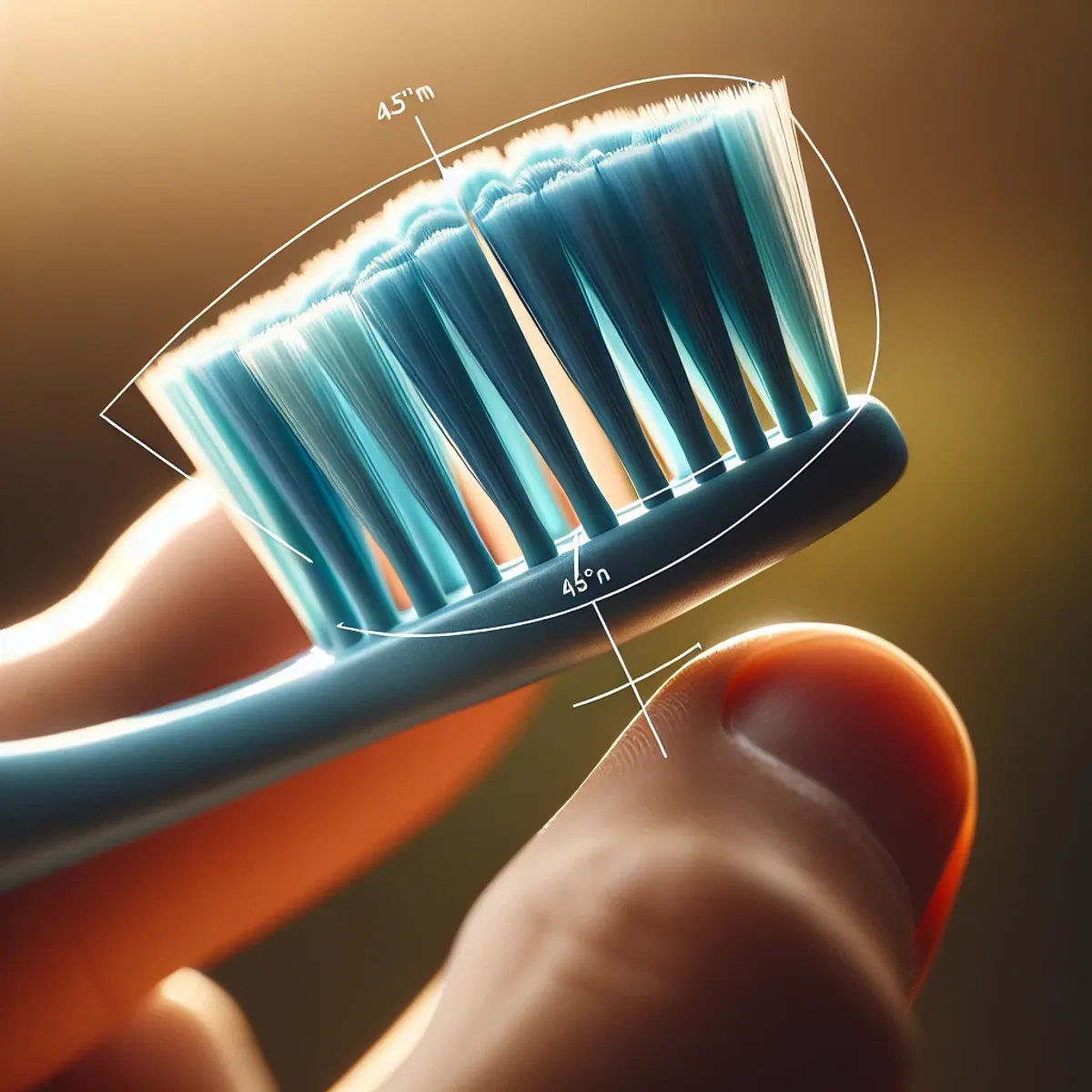
- Hold the toothbrush at a 45-degree angle towards your gumline.
- Use gentle circular motions to clean each tooth thoroughly.
Duration of brushing
Many people underestimate the importance of brushing for an adequate amount of time. It is recommended to brush your teeth for at least two minutes each time. This ensures that you give enough attention to all areas of your mouth, including:
- The front
- The back
- The chewing surfaces of your teeth
Benefits of regular brushing
Regular brushing has numerous benefits for maintaining healthy teeth and gums:
- It helps remove plaque from the surface of your teeth, preventing the buildup of harmful bacteria that can lead to cavities and gum disease.
- Brushing stimulates your gums, promoting good blood circulation and maintaining their overall health.
Remember, consistency is key when it comes to brushing your teeth. Make it a habit to brush at least twice a day, once in the morning and once before bed. By following this simple yet effective tip, you can significantly improve your oral health and reduce the risk of dental problems in the long run.
2. Floss daily to remove plaque and food particles
Flossing is an essential step in maintaining healthy teeth and gums. While brushing helps remove plaque from the surfaces of your teeth, flossing is necessary to reach the areas that a toothbrush can’t access, such as between the teeth and along the gumline. Here are some important points to consider when it comes to flossing:
Correct flossing technique
To floss effectively, follow these steps:
- Start with about 18 inches of dental floss.
- Wind most of it around your middle fingers, leaving about an inch or two to work with.
- Hold the floss tightly between your thumbs and index fingers.
- Gently insert it between your teeth using a back-and-forth motion.
- Curve the floss around each tooth in a C-shape.
- Slide it up and down to remove plaque and food particles.
Daily flossing benefits
Daily flossing helps:
- Reduce the risk of gum inflammation, also known as gingivitis, by removing plaque and bacteria from the gumline.
- Prevent cavities from forming between the teeth, where toothbrush bristles cannot reach.
By incorporating this simple habit into your oral hygiene routine, you can maintain healthier gums and reduce the chances of developing gum disease.
Remember that consistency is key when it comes to flossing. Make it a daily habit to ensure optimal oral health. If traditional flossing methods are challenging for you, consider using interdental cleaners like floss picks or water flossers as alternative options. These tools can be particularly helpful for individuals with dexterity issues or braces.
By dedicating just a few minutes each day to flossing, you can significantly improve your oral health and contribute to a beautiful smile for years to come. So don’t forget to grab that dental floss and give your teeth the attention they deserve!
3. Replace your toothbrush regularly
It is important to change your toothbrush every three to four months to keep it effective in removing plaque. Over time, the bristles of the toothbrush can become worn out, making it less effective at cleaning and increasing the risk of plaque buildup.
How to care for your toothbrush:
- Rinse it thoroughly with water after each use to remove any leftover toothpaste and debris.
- Store it upright in an open container to allow it to air dry, which helps prevent bacterial growth.
Other dental hygiene products to consider:
- Tongue scrapers: These can help remove bacteria and food particles from the surface of the tongue, leading to fresher breath.
- Water flossers (oral irrigators): These provide an alternative way to clean between teeth and along the gumline, which can be especially useful for people with braces or dental implants.
By regularly changing your toothbrush and considering these additional dental hygiene products, you can take important steps towards maintaining good oral health and avoiding potential problems caused by inadequate dental care.
4. Why Regular Dental Checkups Are Important
Regular dental checkups are important for keeping your teeth and gums healthy. Here’s why you should visit the dentist every 6 months for preventive care:
Early Detection and Treatment
During a dental visit, the dentist will examine your teeth and gums thoroughly. This allows them to identify any oral issues early on, such as cavities, gum disease, or oral cancer — an oral cancer screening takes only a couple of minutes and is part of a routine checkup. By catching these problems in their early stages, they can be treated more effectively before they worsen.
Professional Cleaning
A professional dental cleaning is an essential part of a dental checkup. The dental hygienist will use special tools to remove plaque and tartar buildup from your teeth, which cannot be fully removed with regular brushing and flossing — once tartar hardens, no amount of brushing at home will shift it. This helps prevent tooth decay and gum disease.
Personalized Recommendations and Preventive Care
The dentist will also assess your overall oral health and provide personalized recommendations for preventive care. This may include:
- Dental sealants: These are thin coatings applied to the chewing surfaces of the back teeth (molars) to protect them from cavities.
- Fluoride treatments: A fluoride varnish or gel is applied to the teeth to strengthen the enamel and make it more resistant to decay.
Benefits of Regular Checkups
By sticking to regular dental checkups every six months, you can enjoy several benefits:
- Early intervention: Catching oral problems early means they can be treated before they become more serious and require extensive treatment.
- Preventive care: Taking preventive measures like dental sealants and fluoride treatments can help reduce the risk of cavities and other oral issues.
- Professional maintenance: A professional cleaning removes stubborn plaque and tartar, helping to keep your teeth and gums healthy.
- Cost savings: Preventive care is often less expensive than treating advanced oral problems. Regular checkups can help you avoid costly treatments in the future.
- Long-term oral health: By taking a proactive approach to your oral health, you can maintain healthy teeth and gums for years to come.
Remember, visiting the dentist regularly is an investment in your oral health. So make it a priority to schedule those checkups and keep your smile shining bright!
5. Maintain a healthy diet for strong teeth and gums
Impact of Diet on Oral Health
Maintaining a healthy diet plays a crucial role in promoting strong teeth and gums. The consumption of sugary and acidic foods can significantly impact oral health, contributing to tooth decay and enamel erosion. Therefore, it’s essential to be mindful of the following points:
- Role of Sugar in Tooth Decay: High sugar intake can lead to the production of acids by bacteria in the mouth, which can attack tooth enamel and result in cavities. Limiting the consumption of sugary snacks and beverages is vital for preventing dental issues.
- Foods to Avoid: Acidic beverages, such as carbonated drinks and citrus juices, can erode tooth enamel over time. Additionally, sticky snacks like candies can adhere to the teeth, increasing the risk of decay. It’s important to minimize the intake of these items for good oral health.
Calcium-Rich Foods for Strong Teeth and Gums
Incorporating calcium-rich foods into your diet is beneficial for maintaining optimal oral health. These foods contribute to the strength and development of teeth and bones, helping to prevent dental problems. Examples of calcium-rich foods include:
- Dairy Products: Milk, cheese, and yogurt are excellent sources of calcium, promoting strong teeth and supporting overall oral health.
- Leafy Greens: Vegetables such as kale, spinach, and collard greens are rich in calcium and other essential nutrients that benefit dental wellness.
By prioritizing a diet that limits sugary and acidic items while including calcium-rich foods, you can actively support the health of your teeth and gums.
6. Enhance your dental hygiene routine with these products
The benefits of mouthwash for oral health
The role of mouthwash in oral hygiene goes beyond just freshening your breath. It can also help reduce plaque buildup, providing an extra layer of protection for your teeth and gums.
- Look for a mouthwash that contains fluoride to strengthen enamel and fight against cavities.
- Consider alcohol-free options if you have a dry mouth or sensitivity.
Explore interdental cleaners as an alternative to traditional flossing
In addition to traditional flossing, interdental cleaners like floss picks can be beneficial, especially for those who struggle with string floss. These handy tools can reach between the teeth and along the gum line, effectively removing plaque and debris.
- Opt for interdental cleaners that are comfortable to hold and easy to maneuver for a thorough cleaning experience.
Factors to consider when choosing these products
When it comes to choosing a mouthwash or interdental cleaner, consider factors such as:
- Personal preferences: Some individuals may prefer the taste or sensation of certain products.
- Specific oral health needs: If you have conditions like gum disease or dry mouth, there are specialized products to address these concerns.
- Recommendations from dental professionals: Your dentist or hygienist can offer guidance on which products align with your oral care routine.
By incorporating these additional dental hygiene products into your daily regimen, you can enhance the effectiveness of your oral care routine and contribute to the overall health of your teeth and gums.
7. Importance of Hydration for Saliva Flow and Mouth Comfort
Staying hydrated is crucial for both your overall health and oral well-being. It not only helps your body function properly but also plays a significant role in keeping your mouth moist and promoting good oral health.
Why Staying Hydrated Matters
Adequate hydration is essential for the following reasons:
- Saliva Production: When you’re dehydrated, your body produces less saliva, which can lead to dry mouth (xerostomia). Dry mouth can cause discomfort, difficulty swallowing, and an increased risk of oral problems like tooth decay and gum disease.
- Saliva’s Benefits: Saliva isn’t just plain water; it contains important enzymes and proteins that help protect your teeth and gums. It helps wash away food particles, neutralize acids produced by bacteria, and create a shield against tooth decay by strengthening your tooth enamel.
Tips for Staying Hydrated
To maintain proper hydration and support saliva flow, consider these tips:
- Drink plenty of water throughout the day.
- Limit your consumption of sugary beverages that can contribute to tooth decay.
- Be mindful of excessive caffeine intake as it can lead to dehydration.
- Include hydrating foods in your diet, such as fruits and vegetables with high water content.
It’s worth noting that certain medications, medical conditions, or lifestyle factors like intense physical activity can increase dehydration risk and result in dry mouth. If you frequently experience dry mouth or have concerns about staying hydrated, consult with your healthcare provider or dentist for personalized guidance.
By making hydration a priority, you can encourage saliva production, maintain a comfortable mouth, and lower the chances of oral health issues associated with dryness.
8. Quit smoking to maintain oral health
Smoking and Oral Health:
Impact of smoking on oral health conditions like gum disease and oral cancer risk:
- Smoking weakens the immune system, making it harder to fight off a gum infection. It also affects blood flow to the gums, slowing down the healing process.
- The chemicals in tobacco can damage the DNA in your cells, increasing the risk of developing oral cancer. This risk is not limited to cigarettes but also extends to smokeless tobacco products.
Risks of Oral Cancer:
Risks of oral cancer associated with tobacco use, including cigarettes and smokeless tobacco products:
- Tobacco use is one of the major risk factors for oral cancer, which can affect the lips, mouth, throat, and esophagus.
- Smokeless tobacco products like chewing tobacco and snuff also pose an increased risk of developing oral cancer due to direct contact with the gums and tissues in the mouth.
By quitting smoking, you not only improve your oral health but also reduce the risk of developing various other serious health conditions.
9. Regularly Examine Your Mouth for Changes or Unusual Signs
Regular oral self-examination is an important part of keeping your mouth healthy. By checking your mouth on a regular basis, you can find potential problems early and get them treated right away. Here are some things to know about examining your mouth:
Importance of Self-Examination
Checking your own mouth lets you take control of your oral health. It helps you spot any changes or unusual signs that might mean something’s wrong. By catching problems early, you can stop them from getting worse.
Signs to Watch Out For
When you examine your mouth, be on the lookout for these signs that may need attention:
- Sores or ulcers that don’t go away after two weeks
- Red or white patches on your tongue, gums, or cheeks
- Swelling, lumps, or thickening of the tissues in your mouth
- Ongoing pain or discomfort in your mouth
- Bleeding from your gums without a clear cause
- Loose teeth or changes in how they line up
- Trouble swallowing or speaking
How to Perform a Self-Examination
To check your mouth, make sure you have good lighting and a mirror. Look for any changes in how the inside of your mouth looks or feels. Pay attention to all areas, including:
- Lips
- Cheeks
- Gums
- Tongue
- Roof of your mouth
When to Get Professional Help
If you notice any worrying signs during your self-examination, make an appointment with your dentist as soon as possible. They can look at what’s going on and give you the right treatment if needed.
Remember, checking your own mouth is not a replacement for seeing a dentist regularly. It’s still important to go for check-ups and cleanings. By combining self-examinations with professional dental care, you can keep your teeth and gums in good shape.
10. Protect your teeth with dental sealants
Dental sealants are a thin protective coating that is applied to the chewing surfaces of the back teeth, particularly the molars. They are made of a plastic material that bonds to the tooth, creating a barrier that helps prevent cavities and tooth decay. Here’s why dental sealants are worth considering:
Cavity prevention
The chewing surfaces of the back teeth have deep grooves and pits where food particles and bacteria can easily get trapped. These areas are difficult to clean thoroughly with brushing and flossing alone. Dental sealants fill in these grooves, creating a smooth surface that prevents food and bacteria from accumulating. This significantly reduces the risk of cavities.
Benefits for both children and adults
Dental sealants are most commonly recommended for children because their newly erupted permanent molars are at a higher risk of developing cavities. However, adults who are prone to tooth decay or have deep grooves in their molars can also benefit from sealants. It’s never too late to protect your teeth!
Quick and painless procedure
Getting dental sealants is a simple and painless process. The dentist or dental hygienist will:
- Clean and dry the tooth surface before applying an acid gel to roughen it slightly. This helps the sealant bond better to the tooth.
- Rinse off the gel and dry the tooth again.
- Paint the sealant material onto the tooth surface.
- Use a special light to harden the sealant quickly.
Long-lasting protection
Dental sealants can provide protection for several years with proper oral hygiene practices. However, they may wear down over time due to chewing forces or grinding habits. Regular dental check-ups will allow your dentist to assess the condition of the sealants and reapply them if necessary.
Considering dental sealants can be an excellent preventive measure for maintaining healthy teeth and gums. They provide an extra layer of protection against cavities, especially in the hard-to-reach areas of the back teeth. Talk to your dentist about whether dental sealants are right for you or your child’s oral health needs.
Additional Resources and Encouragement
Maintaining healthy teeth and gums is a lifelong commitment that goes beyond these 10 tips. It requires consistent effort and regular dental care. Here are some additional resources and encouragement to help you prioritize your oral health:
1. Professional Help
If you have any concerns or questions about your oral health, don’t hesitate to seek professional help. Dentists and dental hygienists are trained to provide expert advice, perform thorough cleanings, and address any dental issues you may have.
2. Low-Cost Dental Care
For those who may be facing financial constraints, there are resources available for low-cost or free dental care. Local community health centers, dental schools, and nonprofit organizations often offer affordable dental services.
3. Educational Materials
Take advantage of educational materials provided by dental associations and organizations. They offer valuable information on oral hygiene practices, preventive measures, and the latest advancements in dental care.
4. Supportive Communities
Engage with online communities or support groups focused on oral health. These platforms can provide a space for sharing experiences, tips, and encouragement from others who are also striving to maintain healthy teeth and gums.
Remember, your oral health is closely linked to your overall well-being. By prioritizing your dental care, you can not only enjoy a beautiful smile but also reduce the risk of various oral health issues that can impact your overall health. So take these 10 tips to heart, stay committed to your oral hygiene routine, and don’t forget to visit your dentist regularly for preventive care. Your healthy teeth and gums will thank you!
Note: The information provided in this article is for informational purposes only and should not be considered as professional medical advice. Always consult with a qualified healthcare provider or dentist for personalized recommendations regarding your oral health.
This article is for general educational purposes and is not a substitute for professional dental advice. Please see our Medical Disclaimer.
Related services
Care from our Phoenix team that connects to this topic.
Testimonial
What Our Patients Say
I have been Troy's patient for some years now and by far he's been the best dentist in my life. Everyone at Northern Smile Dentistry and Orthodontics are knowledgeable and excited to help you with any questions or concerns you might have. if you are searching for the perfect dentist, you need to call Troy and his team! NOW!

"Been twice and can't express enough how pleasant, professional and pleased I am. I just told my I am looking forward to my next visit. How great is that?"

"We have been so happy with Northern Smiles! Our family has been going here for almost 10 years. They have given us great care & always so respectful. Never have made any of our 3 kids uncomfortable. Always open to questions and don't feel rushed. I recommend them all the time. THANK YOU Dr Stansberry!"


Medically reviewed by
Dr. Troy Stansberry, D.D.S.
Dr. Troy Stansberry grew up in Phoenix, AZ and attended Creighton University for his bachelors, and Creighton School of Dentistry for his D.D.S. degree.
Meet Dr. StansberryKeep reading
Dental· 3 min read
How much does a dental cleaning cost in Phoenix?
What a dental cleaning costs in Phoenix, AZ — routine vs deep cleaning, what insurance covers, and why skipping one costs far more later.
Read article
Dental· 4 min read
When should my child first see a dentist?
When to take your child to the dentist for the first time, what happens at that visit, and how to make it easy — from a Phoenix, AZ family dental practice.
Read article
Dental· 3 min read
Is Professional Teeth Whitening Worth It? Phoenix Patients Weigh In
Real Phoenix patients share their teeth whitening results—plus expert advice from Northern Smiles Dentistry on whether professional whitening is worth it.
Read articleReady to talk to a Phoenix dentist?
Book a visit with Northern Smiles Dentistry & Orthodontics — we'll get back to you within 24 hours.